Dripping Springs vs. Austin: Which Is the Right Place to Call Home?
If you're considering moving to Central Texas, you may find yourself comparing Austin with nearby communities like Dripping Springs.
Both offer access to the Texas Hill Country, local businesses, restaurants, and outdoor activities. However, the day-to-day experience of living in each location can be quite different.
Austin is known for its larger urban environment, entertainment options, and employment centers. Dripping Springs offers a smaller-town setting with scenic surroundings and a growing selection of local amenities.
So, which is the better fit for your lifestyle?
Here's what to consider before making your move.
1. Small-Town Living vs. City Convenience
One of the biggest differences between Dripping Springs and Austin is the overall atmosphere.
Austin offers a larger urban environment with numerous neighborhoods, shopping districts, restaurants, entertainment venues, and employment opportunities.
Depending on where you live, you may have access to public transportation, walkable commercial areas, and a wide variety of nearby services.
Dripping Springs has a different feel.
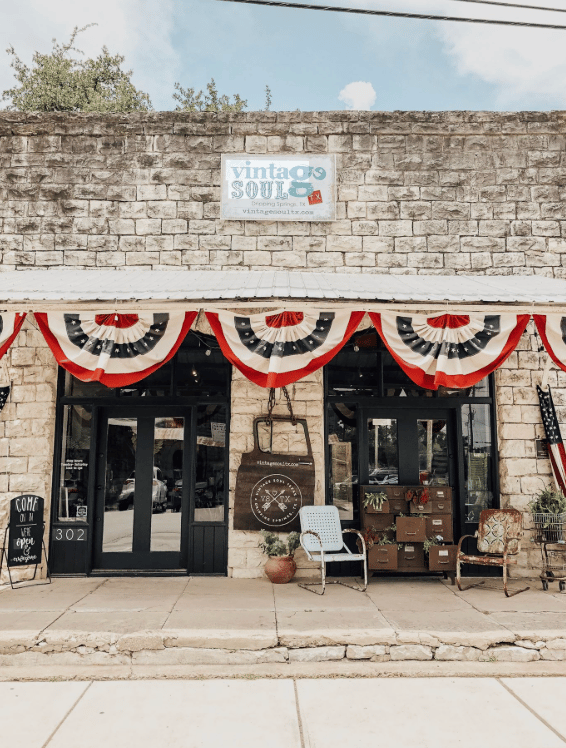
Known as the Gateway to the Hill Country, the community features rolling hills, scenic roads, local businesses, and a historic downtown centered around Mercer Street.
While Dripping Springs continues to grow, it retains many characteristics of a smaller community.
For some buyers, that atmosphere is exactly what they're looking for.
2. Comparing Housing Options
Both Austin and Dripping Springs offer a variety of housing options, but the types of properties available can differ.
In Austin, buyers can explore everything from downtown condominiums and townhomes to established residential neighborhoods and newer suburban developments.
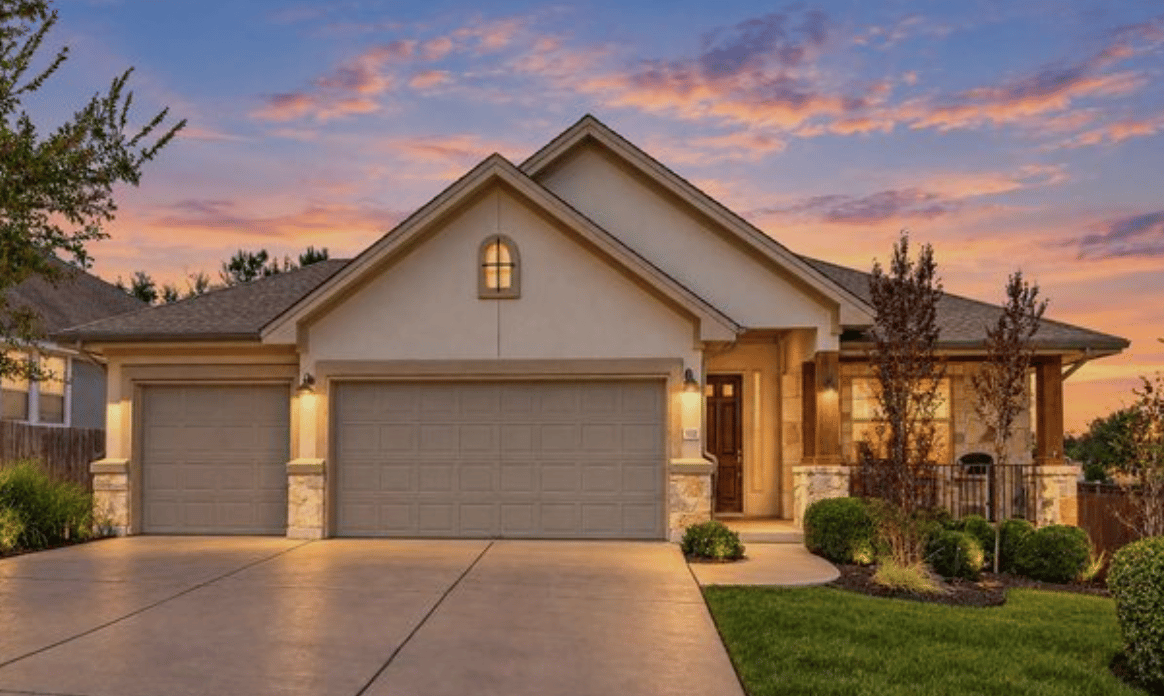
Dripping Springs offers master-planned communities, custom homes, established properties, and acreage throughout the surrounding Hill Country.
Neighborhoods such as Headwaters, Caliterra, and Belterra offer community amenities and different home styles.
Buyers interested in additional land may also find properties with larger lots outside the more developed neighborhoods.
However, Dripping Springs shouldn't automatically be considered less expensive than Austin.
Home prices vary significantly in both markets based on location, size, condition, and amenities.
Comparing specific properties is more useful than comparing citywide averages alone.
3. What About the Commute?
Commute time is one of the most important factors to consider when deciding between Austin and Dripping Springs.
Dripping Springs is located west of Austin along Highway 290.
For residents who regularly commute into Austin, travel times can vary depending on the destination, time of day, and traffic conditions.
Someone working in southwest Austin may have a very different commute from someone traveling downtown or to North Austin.
Before choosing a home, consider driving the route during your typical commuting hours.
If you work remotely or have a flexible schedule, you may have more options when deciding how far from the city you'd like to live.
The right location depends on how you spend your time throughout the week.
4. Outdoor Recreation and Hill Country Scenery
One of the biggest attractions of Dripping Springs is its connection to the Texas Hill Country.
The surrounding area offers scenic landscapes, parks, trails, and natural destinations.
Local options include Dripping Springs Ranch Park and Founders Memorial Park, while the broader region provides opportunities to explore preserves and other outdoor attractions.
Austin also has an extensive outdoor recreation scene, including parks, trails, lakes, and greenbelt areas.
The difference often comes down to the setting you prefer.
Some buyers enjoy having outdoor destinations integrated into a larger city, while others prefer living closer to open landscapes and smaller communities.
Both locations offer opportunities to enjoy the outdoors.
5. Shopping, Restaurants, and Entertainment
Austin has a much larger selection of shopping centers, restaurants, music venues, and entertainment destinations.
From downtown dining to major concerts and sporting events, the city offers activities throughout the year.
Dripping Springs has a smaller but growing business community.
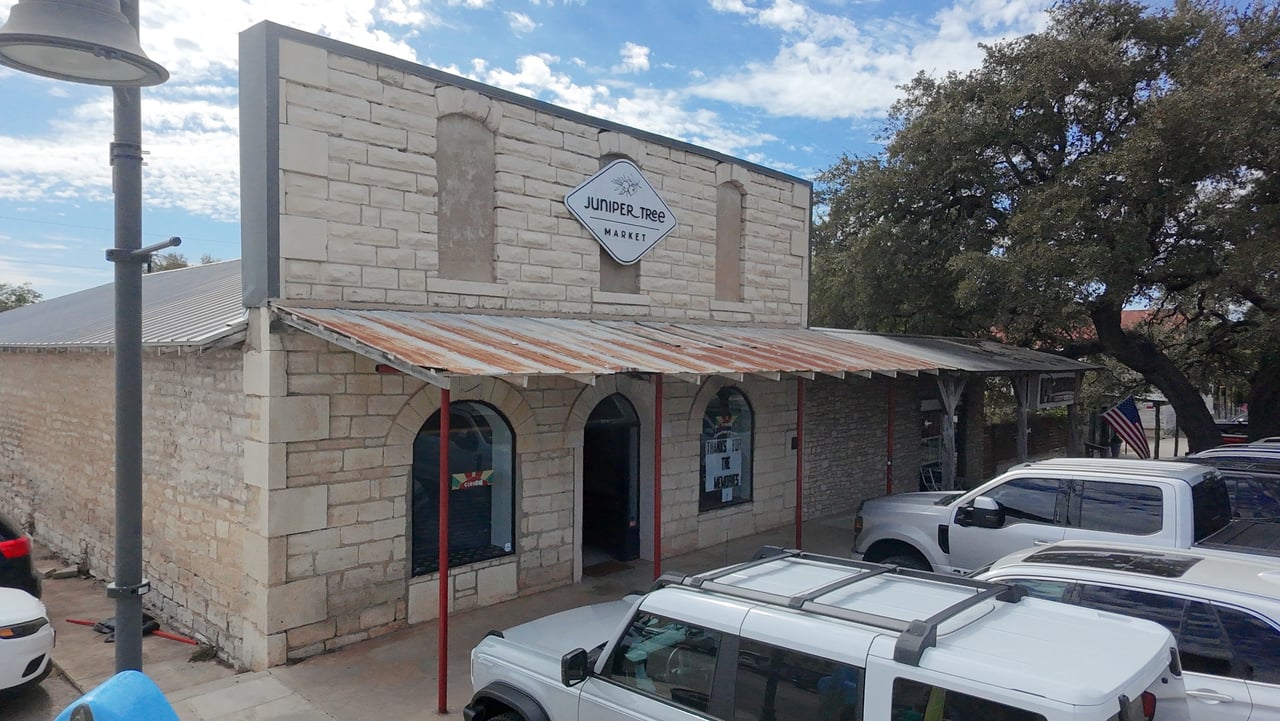
Local restaurants, coffee shops, breweries, boutiques, and community gathering spaces contribute to the area's character.
Historic Mercer Street is a popular destination for shopping and local events.
As commercial development continues along Highway 290, residents may see additional retail and dining options in the coming years.
For buyers deciding between the two locations, it's worth considering how frequently they visit larger shopping districts or entertainment venues.
6. Schools and Education
School boundaries are another consideration for buyers researching Central Texas communities.
Austin-area properties may fall within Austin ISD or other nearby districts, depending on the location.
Much of the Dripping Springs area is served by Dripping Springs ISD.
However, a mailing address alone doesn't guarantee assignment to a particular school district or campus.
Before purchasing, verify the specific property's current attendance boundaries directly with the appropriate school district.
Buyers can also review academic programs, transportation options, extracurricular activities, and other information relevant to their needs.
7. Property Taxes and Monthly Expenses
The cost of homeownership involves more than the purchase price.
Property taxes, homeowners insurance, utilities, maintenance, and HOA fees can affect your monthly budget.
In Dripping Springs, some neighborhoods are located within Municipal Utility Districts or other special taxing districts.
These may affect the total property tax rate.
Properties outside established neighborhoods may also have different utility arrangements, including private wells or septic systems.
Austin properties can have their own combinations of taxing jurisdictions, HOA fees, and maintenance considerations.
Before comparing two homes, review the estimated total ownership costs for each specific property.
8. Which Lifestyle Fits Your Priorities?
If you enjoy having a wide selection of restaurants, entertainment, employment centers, and urban amenities nearby, Austin may be a better fit.
If you're drawn to Hill Country scenery, local businesses, and a smaller-town atmosphere, Dripping Springs may be worth exploring.
Of course, neither community offers just one type of lifestyle.
Austin includes quieter residential neighborhoods, while Dripping Springs has areas with convenient access to shopping and community amenities.
The best way to decide is to spend time exploring both locations.
Visit neighborhoods, drive your potential commute, and consider what an ordinary weekday would look like.
Ready to Explore Homes in Dripping Springs?
Choosing where to live is about more than finding a home you love. It's also about finding a location that supports your everyday priorities.
At NestHaven Properties, we help buyers explore Dripping Springs and the surrounding Texas Hill Country with local insight and clear communication.
Whether you're relocating to Central Texas or considering a move from Austin to Dripping Springs, our team would love to help you find the right place to call home.