Should You Lease or Buy Commercial Property in Dripping Springs, TX?
For business owners in Dripping Springs, deciding whether to lease or purchase commercial property can be an important financial decision.
Whether you're opening a new location, expanding an established business, or planning for long-term growth, the right real estate strategy depends on your circumstances.
Leasing may provide flexibility, while purchasing can offer greater control and the possibility of building equity.
But neither option is automatically the better choice.
Here's how to compare the advantages and responsibilities of leasing versus buying commercial property in Dripping Springs.
The Advantages of Leasing Commercial Space
Leasing can be a practical option for businesses that want to preserve capital or avoid the responsibilities of property ownership.
Rather than making a substantial down payment, tenants typically pay a security deposit and ongoing rent, along with other expenses required by the lease.
This can allow business owners to direct more of their available funds toward inventory, equipment, employees, and daily operations.
Leasing may also provide opportunities to relocate or expand when a lease term ends.
For newer businesses, this flexibility can be particularly valuable.
What Are the Limitations of Leasing?
Although leasing may require less upfront capital, tenants generally have less control over the property.
The lease agreement determines how the space can be used, what improvements are allowed, and which responsibilities belong to the tenant.
Rental rates may increase over time, depending on the agreement.
At the end of a lease, a business owner may need to negotiate a renewal or relocate.
Moving a business can involve significant expenses, including construction, equipment transportation, marketing updates, and temporary interruptions.
That's why lease terms deserve careful attention.
The Benefits of Buying Commercial Property
Purchasing commercial real estate may offer long-term advantages for businesses with stable operations and sufficient financial resources.
Ownership can provide greater control over the property's use, subject to applicable regulations and recorded restrictions.
Business owners may also build equity as they pay down financing.
If the property appreciates, that may create additional value, although appreciation is never guaranteed.
For businesses planning to remain in the same location for many years, ownership can be worth considering.
Understanding the Costs of Ownership
Purchasing commercial property typically requires a significant upfront investment.
Depending on the financing arrangement, buyers may need funds for a down payment, closing expenses, inspections, and property improvements.
Owners are also responsible for expenses such as property taxes, insurance, repairs, and maintenance.
Large expenses, including roof replacement, parking lot repairs, or major mechanical systems, can affect cash flow.
Before purchasing, business owners should carefully review both current operating expenses and potential future capital expenditures.
How Does Financing Work?
Commercial property financing is generally different from a traditional residential mortgage.
Lenders may evaluate business income, credit history, financial statements, property condition, and the intended use of the building.
Loan terms, down payment requirements, and interest rates can vary.
Some owner-occupied businesses may qualify for certain SBA-supported financing programs, subject to eligibility requirements.
It's important to speak with qualified lenders and financial professionals to understand the available options.
Consider Your Business's Growth Plans
One of the most important factors in the lease-versus-buy decision is how your business may change.
If you're planning to expand rapidly, leasing might offer more flexibility to move into a larger space.
If your business has stable space requirements and expects to remain in the same location for many years, purchasing could be worth evaluating.
Consider employee growth, equipment needs, customer access, parking, and potential changes in your industry.
The property should support your business strategy rather than limit it.
Location Still Matters
Whether you're leasing or buying, location remains a major consideration.
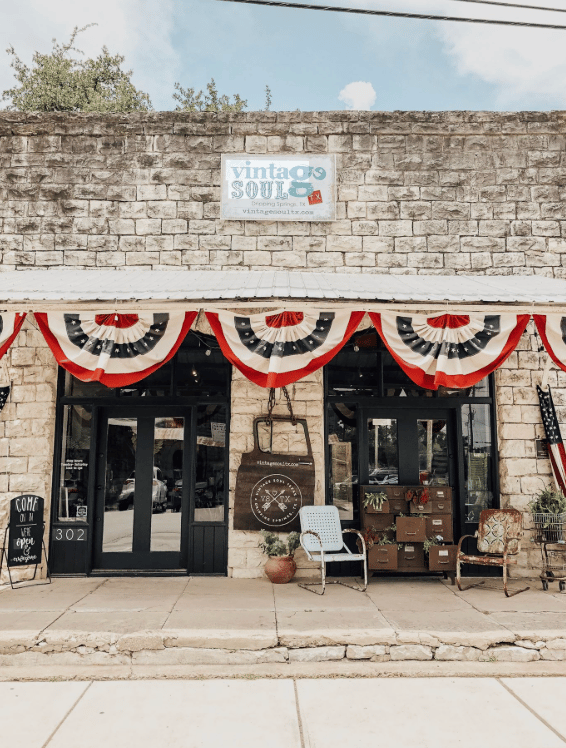
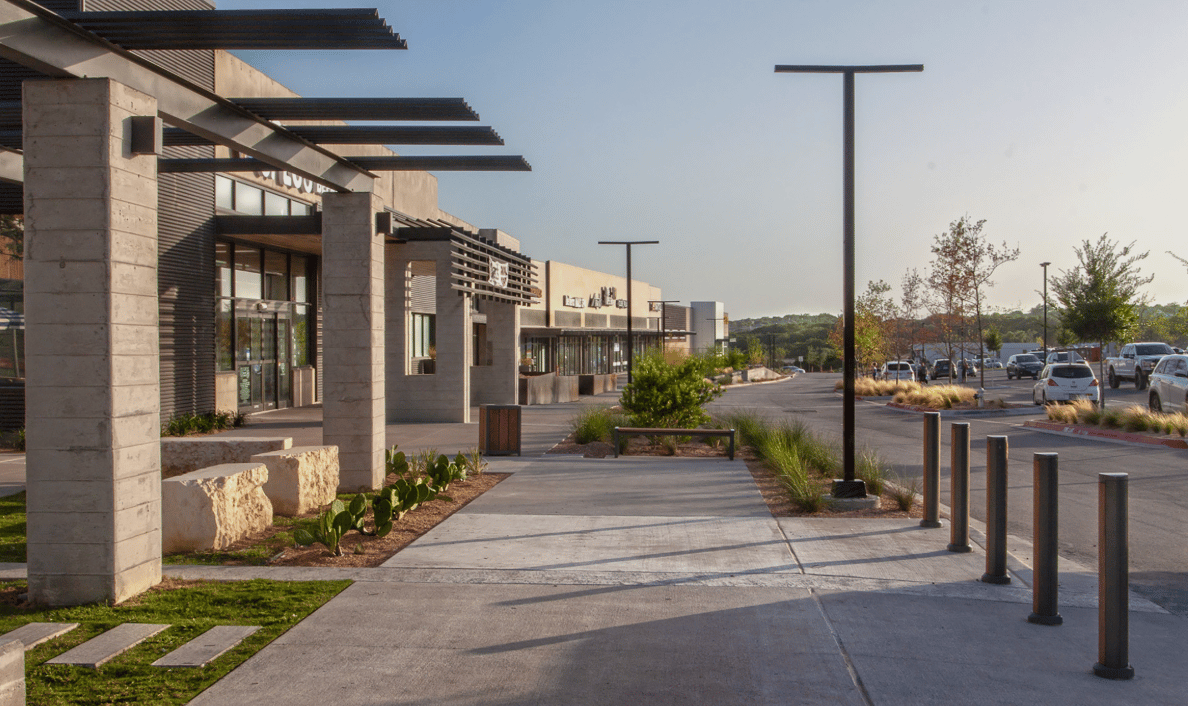
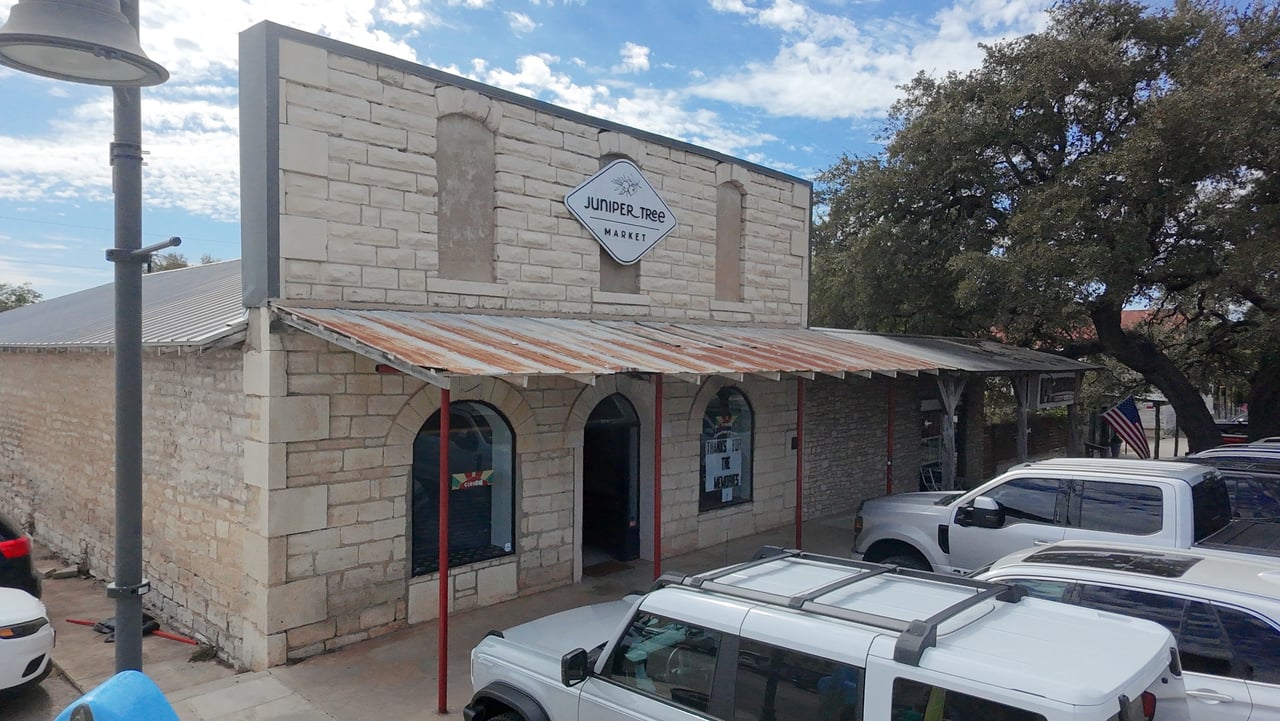
Dripping Springs offers commercial opportunities along Highway 290, Ranch Road 12, downtown, and surrounding areas.
Different locations may provide different levels of visibility, accessibility, customer traffic, and neighboring businesses.
For some businesses, a highly visible storefront is essential.
Others may function well in an office suite or industrial space with convenient access.
The right property should support your operations and your customers.
Evaluate the Full Financial Picture
Comparing rent payments with a mortgage payment isn't enough.
A meaningful financial comparison should account for upfront costs, maintenance, insurance, taxes, financing expenses, lease increases, and the opportunity cost of invested capital.
Purchasing may offer equity-building opportunities, but it also creates exposure to property market changes and unexpected repairs.
Leasing may offer flexibility, but long-term rental obligations can also be substantial.
A financial advisor, lender, accountant, or attorney can help evaluate the implications of each option.
What About Commercial Investment Property?
Some buyers consider purchasing commercial real estate as an investment rather than for their own business.
Investment properties require a different analysis.
Potential buyers should evaluate tenant demand, lease terms, vacancy risk, operating expenses, financing, and property condition.
Expected rental income and appreciation should be assessed carefully rather than assumed.
A commercial property may offer opportunities, but every investment carries risk.
Find the Right Commercial Property Strategy
Whether you decide to lease or purchase, understanding the Dripping Springs commercial real estate market can help you make a more informed decision.
At NestHaven Commercial, we work with business owners, landlords, tenants, and investors throughout Dripping Springs and the surrounding Hill Country.
Our team can help you explore available properties, compare locations, and navigate the commercial real estate process.
If you're considering leasing or buying commercial property, we'd love to help you explore your options.