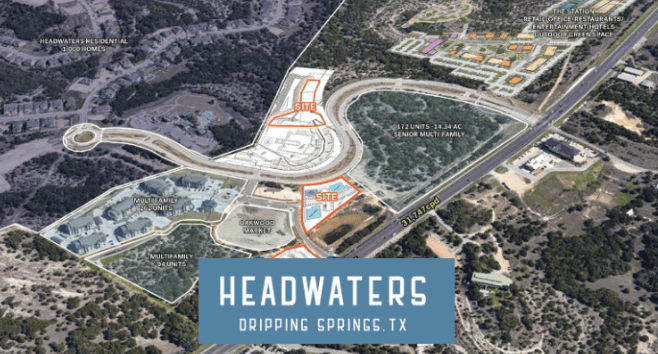
Understanding Commercial Zoning in Dripping Springs: What Every Buyer Should Know
Purchasing commercial property is one of the largest investments many business owners and investors will make. While factors like location, visibility, and price often receive the most attention, one of the most important considerations is often overlooked—zoning.
In Dripping Springs, commercial development continues to expand as new neighborhoods, businesses, and infrastructure fuel growth throughout western Hays County. Understanding how zoning affects a property's permitted uses can help buyers avoid costly surprises and identify opportunities that others may miss.
Whether you're planning to open a restaurant, develop office space, build a retail center, or invest in commercial land for future appreciation, understanding zoning should be one of the first steps in your due diligence process.
What Is Commercial Zoning?
Zoning is the process local governments use to regulate how land can be used. Every parcel is assigned a zoning classification that determines what types of buildings and businesses are permitted on the property.
These regulations help organize community growth by separating incompatible land uses while encouraging thoughtful development. Zoning also influences building height, parking requirements, setbacks, landscaping, signage, and density.
For commercial buyers, zoning is just as important as the property's location because it determines whether your intended business can legally operate there.
Why Zoning Matters Before You Buy
Many buyers assume that because a building looks perfect for their business, they can simply purchase it and move in. Unfortunately, that's not always the case.
For example, a property previously occupied by an office may not automatically allow a restaurant, medical clinic, or brewery. Even two retail businesses can have entirely different zoning requirements depending on traffic, parking, outdoor seating, or alcohol sales.
Failing to verify zoning before purchasing can lead to:
- Delays in opening
- Expensive redesigns
- Permit complications
- Additional engineering requirements
- Special approval processes
- In some cases, being unable to use the property for your intended purpose
Taking the time to understand zoning early can save significant time and money.
Common Commercial Zoning Categories
Although zoning classifications vary between jurisdictions, several common commercial categories appear throughout Central Texas.
Neighborhood Commercial
Designed to serve nearby residential areas, these properties typically accommodate:
- Small retail shops
- Coffee shops
- Professional offices
- Personal services
- Boutique businesses
These locations generally experience lower traffic and are intended to complement surrounding neighborhoods.
General Commercial
General commercial zoning allows a wider variety of businesses, including:
- Restaurants
- Medical offices
- Retail stores
- Fitness centers
- Financial institutions
- Automotive services (where permitted)
These properties are often located along major transportation corridors with higher traffic counts.
Office or Professional
Office zoning typically accommodates:
- Attorneys
- CPAs
- Insurance agencies
- Architects
- Medical professionals
- Real estate offices
These areas usually have lower parking demands and limited retail activity.
Industrial and Flex Space
Industrial properties are designed for businesses requiring larger buildings or operational space, including:
- Warehouses
- Distribution
- Manufacturing
- Contractor storage
- Light industrial operations
- Flex office/warehouse combinations
Industrial zoning generally provides greater flexibility but may include additional operational regulations.
Mixed-Use Development
Mixed-use developments continue to grow in popularity as communities encourage walkable environments where residential, retail, dining, and office uses exist together.
These projects often create opportunities for both investors and business owners seeking high-traffic locations.
Not Every Commercial Property Allows Every Business
One of the biggest misconceptions in commercial real estate is assuming all commercial properties have the same permitted uses.
In reality, many businesses require additional approvals based on:
- Outdoor seating
- Drive-through service
- Alcohol sales
- Food preparation
- Vehicle storage
- Noise levels
- Hours of operation
Before purchasing, buyers should verify exactly what uses are allowed under the property's zoning designation.
Understanding Special Use Permits
Some businesses may require a Special Use Permit or Conditional Use Permit before operating.
These permits allow municipalities to review proposed uses individually and determine whether they are appropriate for the surrounding area.
Depending on the project, this process may include:
- Site plan review
- Public hearings
- Traffic studies
- Parking analysis
- Environmental considerations
Approval timelines can vary, making it important to account for permitting during the purchasing process.
Zoning Is Only One Piece of Due Diligence
Even when zoning appears favorable, buyers should investigate several additional factors before closing.
Utility Availability
Confirm access to:
- Water
- Wastewater
- Electricity
- Internet
- Natural gas, if needed
Utility capacity can significantly impact future development costs.
Access and Visibility
Consider:
- Highway frontage
- Traffic counts
- Shared driveways
- Future road expansions
- Ease of customer access
Excellent visibility can greatly influence long-term property value.
Easements and Restrictions
Existing easements may limit where buildings, parking lots, or utilities can be placed.
Private deed restrictions may also impose additional limitations beyond local zoning requirements.
Parking Requirements
Many municipalities require a minimum number of parking spaces based on the property's intended use.
Restaurants, medical offices, and fitness centers often have much higher parking requirements than traditional office buildings.
Drainage and Topography
Steep terrain, floodplains, or drainage requirements can significantly increase development costs.
Understanding these factors before purchasing allows buyers to budget more accurately.
Commercial Growth Continues in Dripping Springs
Dripping Springs has become one of the fastest-growing communities in Central Texas. Continued residential growth has increased demand for:
- Retail centers
- Restaurants
- Medical services
- Professional offices
- Flex industrial space
- Hospitality
- Mixed-use developments
As infrastructure continues to improve, commercial opportunities are expanding throughout the area. However, increased demand also makes proper due diligence more important than ever.
Work With Local Commercial Experts
Commercial transactions involve far more than negotiating a purchase price. Successful buyers evaluate zoning, utilities, development potential, market trends, and long-term investment goals before making a decision.
At NestHaven Commercial, we help buyers navigate every step of the commercial purchasing process. Whether you're acquiring your first investment property, searching for development land, or relocating your business, our team provides local market knowledge and guidance to help you make informed decisions.
Understanding zoning before you buy can help protect your investment and position your property for long-term success.
Ready to Explore Commercial Opportunities?
If you're considering purchasing commercial property in Dripping Springs or the surrounding Hill Country, we'd be happy to help evaluate your options. Contact NestHaven Commercial today to discuss available properties, development opportunities, and the local commercial market.