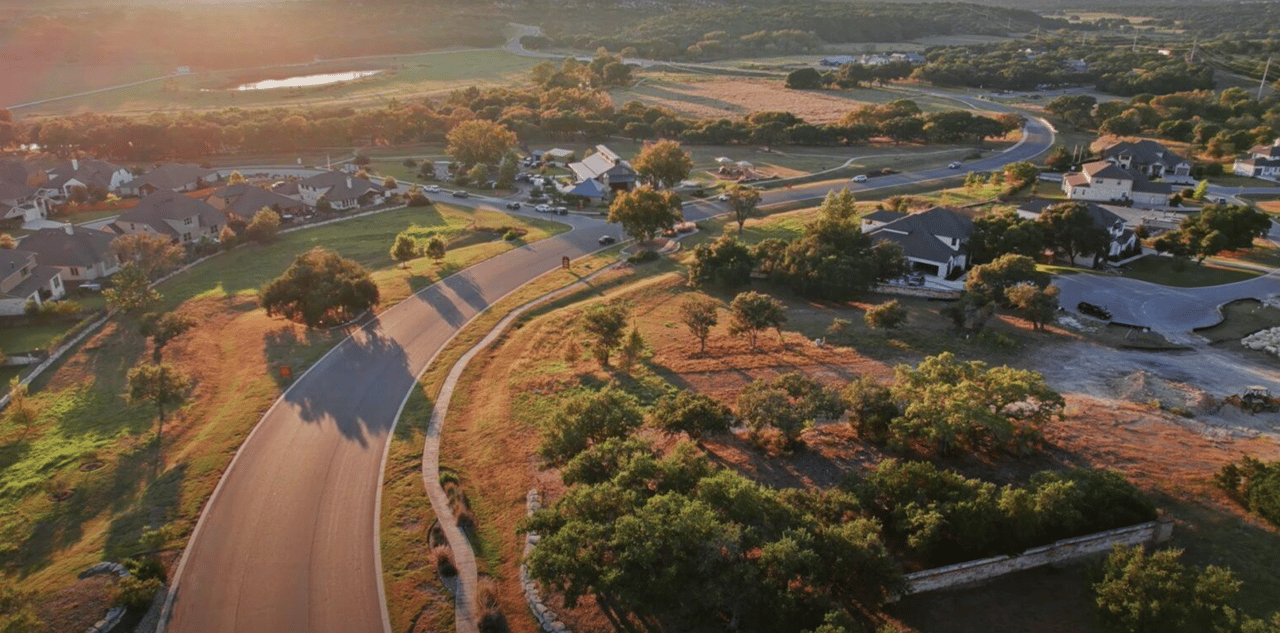
Dripping Springs has entered a new era of commercial real estate growth. What was once considered a quiet Hill Country community is now evolving into a structured regional hub with diversified economic drivers. Retail anchors, mixed-use developments, office expansion, hospitality growth, and neighborhood retail nodes collectively point to sustained long-term opportunity.
The primary catalyst remains residential expansion. As new neighborhoods continue to develop across western Travis and northern Hays County, commercial demand follows. Rooftops drive retail. Population growth drives healthcare and professional services. Visitor traffic supports hospitality and dining. Each segment reinforces the others.
Retail growth has accelerated significantly. Major anchors along US-290 have repositioned the corridor as a destination rather than a pass-through. Mixed-use projects are creating environments where residents can combine errands, dining, and services in one trip. This reduces economic leakage to Austin and strengthens local business ecosystems.
Office and medical space represent the next maturation phase. As remote and hybrid work models remain prevalent, suburban office demand is rising. Professionals prefer workspace closer to home, particularly in communities offering quality amenities. Medical office growth, in particular, reflects population aging and family formation trends.
Hospitality expansion is another important driver. Dripping Springs’ reputation as a wedding and event destination continues to attract visitors. Lodging projects support restaurants, retail, and entertainment venues, diversifying commercial revenue streams.
Infrastructure investment also shapes the outlook. Road improvements, signalization upgrades, and municipal planning initiatives enhance accessibility and support development capacity. As transportation corridors evolve, previously underutilized parcels may become viable commercial sites.
For investors, Dripping Springs presents a transitional market opportunity. Early-growth communities often carry higher volatility. Mature urban markets offer stability but limited appreciation. Dripping Springs sits between those phases — offering growth potential with increasing structural stability.
The most promising commercial segments over the next decade likely include:
• Grocery-anchored retail
• Medical office and healthcare services
• Neighborhood retail within master-planned communities
• Quick-service restaurant pad sites along US-290
• Flexible office and service-oriented commercial space
However, strategic positioning will matter. Prime frontage, strong access, and integration with residential growth patterns will determine asset performance.
It is also important to acknowledge potential challenges. Rapid growth can strain infrastructure. Traffic congestion may require mitigation strategies. Labor availability and construction costs can influence project feasibility. Developers who anticipate these factors will be better positioned for long-term success.
From a branding perspective, Dripping Springs benefits from a strong identity. The city’s Hill Country charm, school district reputation, and lifestyle appeal attract both residents and visitors. Commercial projects that align with this character tend to perform better than generic designs.
Over the next ten years, commercial real estate in Dripping Springs will likely become more diversified and more competitive. As additional investors enter the market, site selection and tenant curation will grow increasingly important.
For business owners considering entry into Dripping Springs, the window of opportunity remains open — but timing is critical. Early positioning near high-growth corridors and emerging mixed-use nodes can create long-term advantages.
In summary, the commercial future of Dripping Springs appears strong. Population growth, retail anchors, office expansion, hospitality development, and thoughtful neighborhood integration collectively support sustained momentum. While no market is immune to broader economic cycles, the fundamentals driving Dripping Springs remain solid.
The city is no longer simply growing — it is structuring its growth. And that distinction defines the next chapter of commercial real estate opportunity in the Texas Hill Country.