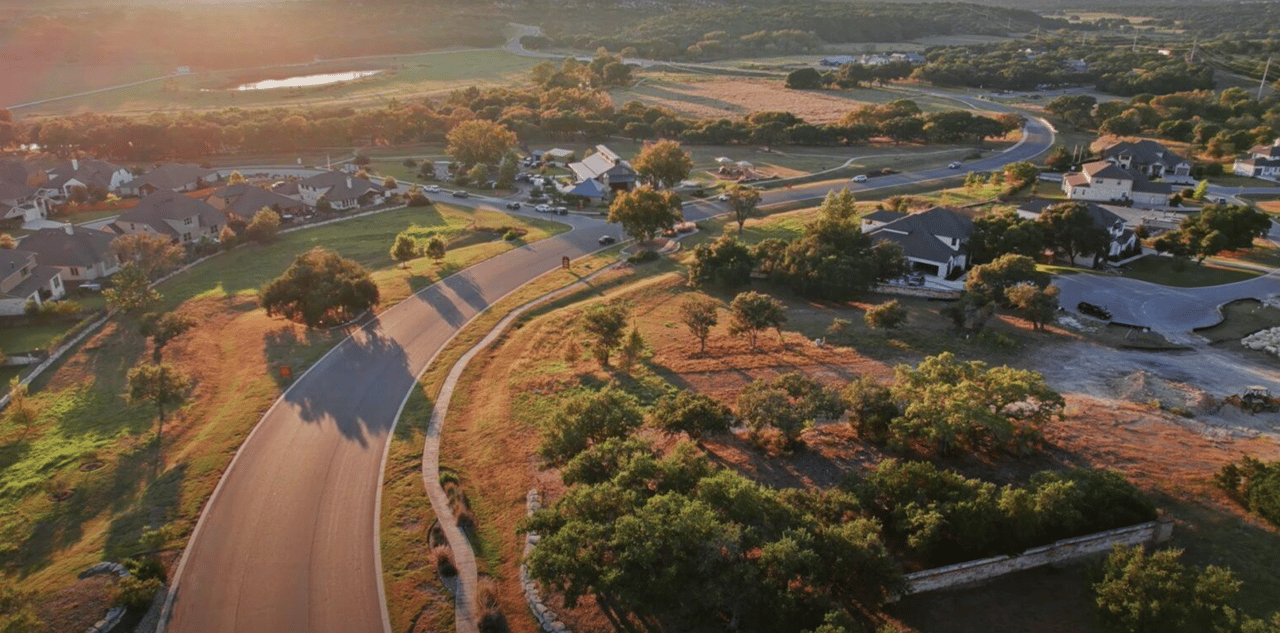
As Dripping Springs continues to expand, larger land tracts are becoming increasingly valuable. Cannon Ranch, an approximately 80-acre mixed-use development along US-290, represents a significant opportunity for integrated commercial growth.
Mixed-use developments are often strongest when they blend residential and commercial components. By combining housing with retail and service amenities, developers create built-in demand. Residents become customers. Commercial tenants gain predictable traffic.
Cannon Ranch’s location along Highway 290 enhances visibility and accessibility. Major corridors serve as economic backbones, connecting residential neighborhoods to commercial centers. Projects along these routes typically attract higher leasing interest due to exposure.
Commercial components within mixed-use developments often begin with neighborhood-serving businesses: coffee shops, restaurants, fitness studios, small medical offices, and professional services. As occupancy stabilizes, additional specialty retailers may follow.
One advantage of phased mixed-use projects is flexibility. Developers can adjust tenant mix based on evolving market conditions. If residential absorption outpaces expectations, additional retail can be introduced sooner. If office demand grows, more professional space can be incorporated.
For investors, the key metric is rooftop growth. As surrounding neighborhoods expand, commercial absorption accelerates. Dripping Springs’ steady population increases support this model.
Cannon Ranch also reflects broader suburban planning trends. Rather than isolated subdivisions requiring long commutes, newer communities emphasize proximity to amenities. Commercial spaces embedded within residential districts reduce travel time and enhance quality of life.
The project’s long-term value will depend on thoughtful design and tenant selection. Well-curated tenant mixes strengthen identity and drive repeat visitation.
Cannon Ranch represents the kind of land play that can define a corridor’s next decade.