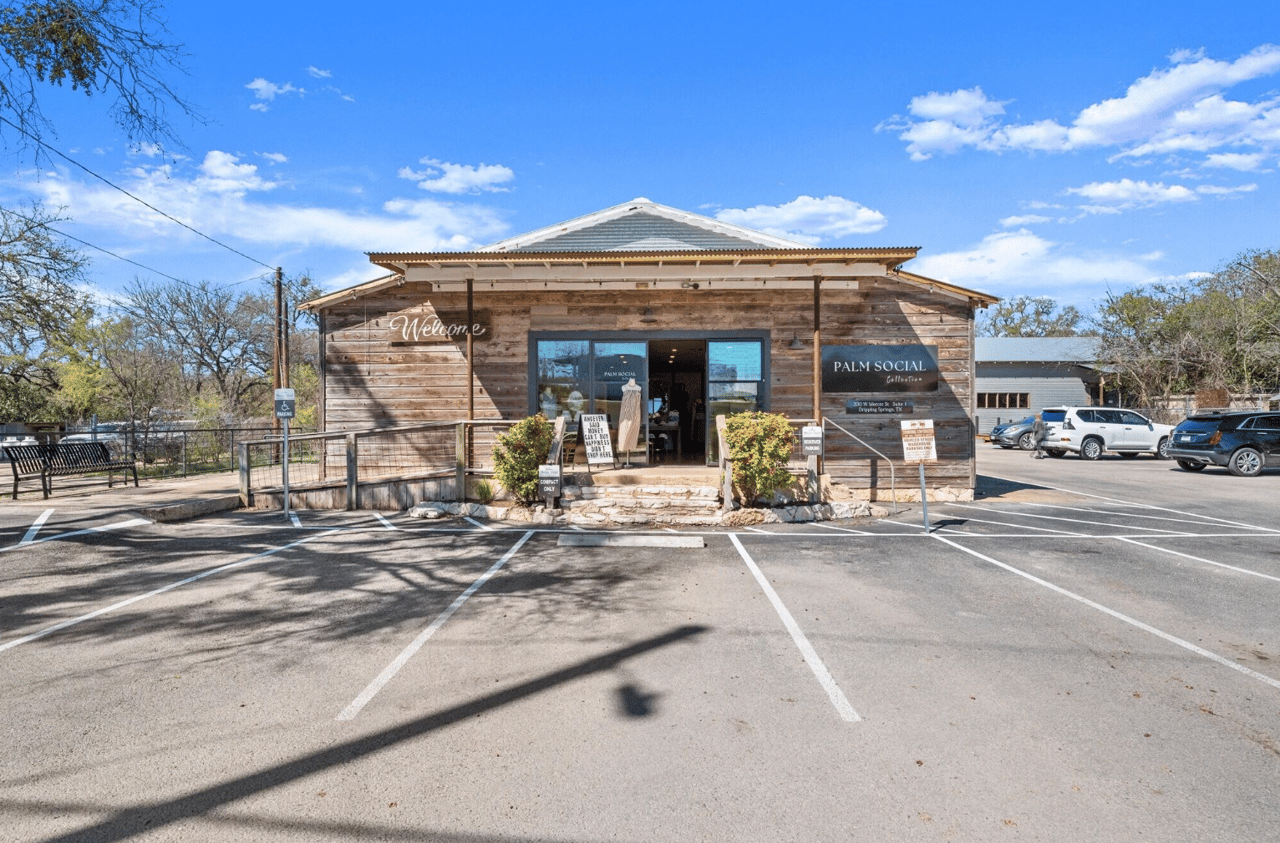
Dripping Springs continues to attract new residents, businesses, and commercial development, creating opportunities for business owners and investors looking for property in the Texas Hill Country.
But buying commercial real estate here is very different from purchasing a home.
Two properties that appear similar on paper can have dramatically different development potential based on zoning, utilities, access, site conditions, and jurisdiction.
Before purchasing commercial property in Dripping Springs, here are seven important things to consider.
1. Is the Property Inside the City Limits or ETJ?
One of the first questions to answer is exactly where the property is located.
A Dripping Springs mailing address does not necessarily mean a property is within the City of Dripping Springs.
Properties may be located within city limits, the city's Extraterritorial Jurisdiction (ETJ), or another jurisdiction.
That distinction can affect the development process, applicable regulations, utilities, and approvals required.
Never make assumptions based solely on an address.
2. What Is the Zoning?
If a commercial property is located within Dripping Springs city limits, understanding its zoning is essential.
The city maintains multiple nonresidential zoning classifications, including Office, Local Retail, General Retail, Commercial Services, Industrial, and Planned Development districts.
Different zoning districts allow different types of businesses and development.
A site that works for professional offices may not automatically work for an automotive business, restaurant, warehouse, or other commercial use.
Before purchasing, buyers should verify that their intended use is permitted.
3. What Utilities Are Actually Available?
Utility availability can dramatically change the feasibility and cost of a commercial project.
Don't assume that water and wastewater service are available simply because utilities are nearby.
Commercial buyers should investigate water, wastewater, electricity, internet, and other necessary services as part of their due diligence.
Wastewater is particularly important in Dripping Springs as the city continues addressing infrastructure needs associated with regional growth.
4. How Will Customers Access the Property?
Highway frontage looks great on a listing, but visibility and accessibility aren't always the same thing.
For retail, restaurants, medical offices, and other customer-facing businesses, buyers should consider:
- Existing curb cuts
- Driveway access
- Traffic flow
- Turn lanes
- Shared access agreements
- Easements
- Future road projects
- Parking requirements
A highly visible property can still be challenging for a business if customers have difficulty entering or leaving the site.
5. What Will It Cost to Develop?
The purchase price is only one part of the equation.
Depending on the property and intended use, development costs may include engineering, surveying, site work, drainage improvements, utility extensions, parking, landscaping, permitting, signage, and other improvements.
Dripping Springs' site development process considers items such as water, wastewater, grading, drainage, streets, landscaping, parking, fire access, and utilities.
Understanding these requirements early can help prevent expensive surprises later.
6. What Is Happening Around the Property?
Commercial real estate is heavily influenced by surrounding development.
Before purchasing, look beyond what exists today.
Are new neighborhoods planned nearby?
Are roads being expanded?
Is additional retail coming?
Could nearby land eventually become apartments, offices, industrial space, or another major development?
For example, the Anarene/Double L development includes plans for thousands of residences as well as approximately 200 acres designated for commercial uses.
Future rooftops can create future customers—but additional commercial development can also create competition.
Understanding both sides is important.
7. Does the Property Fit Your Long-Term Strategy?
Finally, ask why you're purchasing the property.
Are you planning to operate your own business there?
Develop it?
Hold the land long-term?
Lease the property to tenants?
Purchase an existing income-producing asset?
The right property for an owner-user may be completely different from the right property for an investor or developer.
Local Knowledge Matters
Dripping Springs commercial real estate can offer exciting opportunities, but successful purchases begin with due diligence.
Zoning, jurisdiction, utilities, infrastructure, access, development costs, and surrounding growth all need to be evaluated before deciding whether a property truly fits your goals.
NestHaven Commercial works with buyers, sellers, investors, and business owners throughout Dripping Springs and the surrounding Texas Hill Country. If you're considering a commercial property, we'd be happy to help you evaluate your options and connect you with the appropriate professionals throughout the due diligence process.
Buyers should independently verify zoning, utilities, development requirements, property condition, and all other information with the appropriate governmental entities and qualified professionals.