Buying Commercial Land in Dripping Springs: What Every Investor Needs to Know
As Dripping Springs continues to experience rapid growth, commercial land has become one of the area's most sought-after investment opportunities. Known as the "Gateway to the Hill Country," Dripping Springs offers a unique combination of small-town charm, strong economic growth, and proximity to Austin, making it an attractive location for businesses, developers, and investors alike.
Whether you're planning to develop immediately or purchase land as a long-term investment, buying commercial property involves much more than simply finding a parcel in a desirable location. Understanding zoning, utilities, infrastructure, market demand, and future development plans can help you make a smarter investment and avoid costly surprises.
If you're considering purchasing commercial land in Dripping Springs, here's what you should know before making an offer.
Why Dripping Springs Is Attracting Commercial Investors
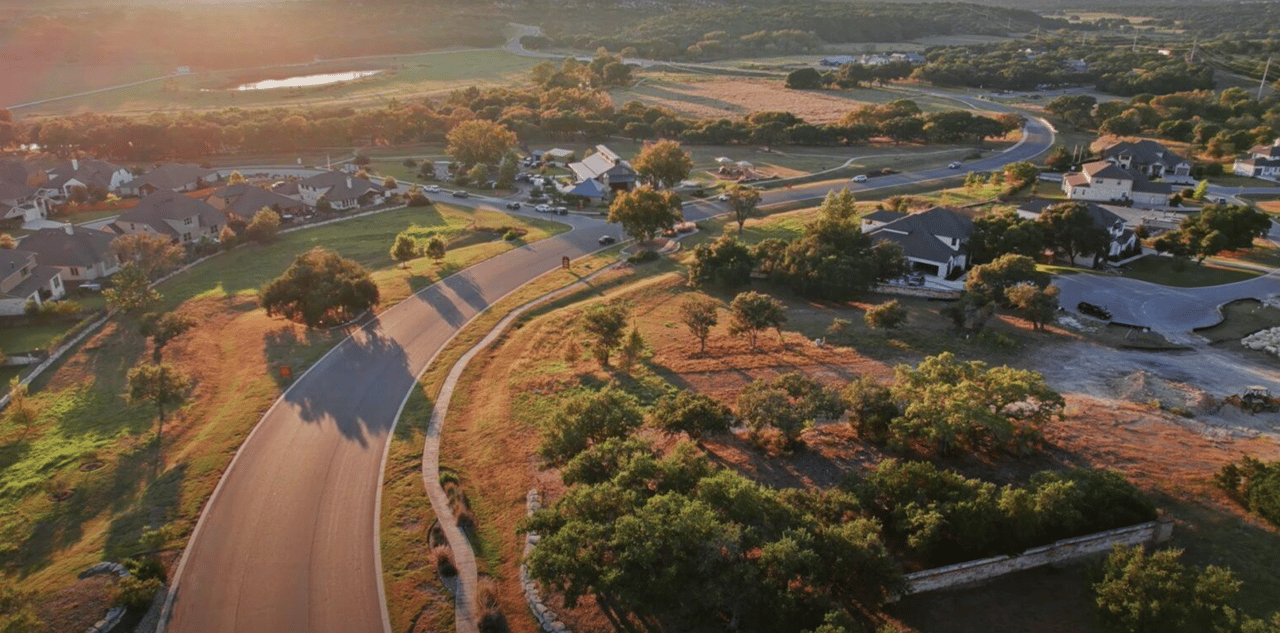
Over the past several years, Dripping Springs has transformed from a quiet Hill Country community into one of Central Texas' fastest-growing markets. Families continue relocating to the area for its highly acclaimed schools, natural beauty, and convenient access to Austin, while businesses are following that residential growth to serve an expanding customer base.
New neighborhoods, master-planned communities, and residential developments continue to bring thousands of new residents into western Hays County. That population growth fuels demand for retail centers, restaurants, medical offices, professional services, industrial space, and entertainment venues.
For investors, this creates an opportunity to purchase commercial land before surrounding development further increases property values.
Start With Your Investment Goals
Before searching for available properties, it's important to define what you hope to accomplish with your investment.
Ask yourself questions such as:
- Are you planning to develop immediately or hold the property for future appreciation?
- Will the property generate rental income?
- Are you looking for a long-term investment?
- Will you occupy the property for your own business?
- Do you plan to resell after entitlements or zoning changes?
Your answers will help determine the type of property that best fits your investment strategy.
Someone planning to build a retail center has very different needs than an investor purchasing land to hold for the next ten years.
Location Is Still the Most Important Factor
One of the oldest sayings in real estate remains true: location matters.
When evaluating commercial land, consider factors including:
- Highway frontage
- Traffic counts
- Visibility
- Accessibility
- Nearby residential developments
- Existing commercial businesses
- Planned infrastructure improvements
- Ease of ingress and egress
Properties located along major transportation corridors often attract more attention from businesses because they provide greater visibility and customer access.
Likewise, parcels near rapidly growing residential communities may become increasingly valuable as additional rooftops create demand for goods and services.
Understand the Zoning Before You Buy
One of the biggest mistakes commercial buyers make is assuming they can build anything on a piece of land.
Every property is subject to zoning regulations that determine what types of businesses and developments are permitted.
Before purchasing commercial land, you should verify:
- Current zoning designation
- Permitted uses
- Conditional uses
- Building setbacks
- Height restrictions
- Parking requirements
- Landscaping requirements
- Sign regulations
If your intended use isn't currently allowed, you may need to pursue rezoning or special approvals, which can add both time and expense to your project.
Working with professionals who understand local development regulations can help identify potential issues before they become obstacles.
Utilities Can Make or Break a Project
A property's utility availability often has a significant impact on both development costs and overall feasibility.
Some important questions include:
- Is water service available?
- Is wastewater available?
- What is the electrical capacity?
- Is natural gas available?
- Does the property require a septic system?
- Is high-speed internet available?
Extending utilities to a site can become one of the largest expenses associated with commercial development.
In some cases, utility limitations may also restrict the size or type of project that can be built.
Completing utility due diligence early in the process helps prevent unexpected costs later.
Road Frontage and Access Matter
Even an excellent commercial property can lose value if customers struggle to access it.
When evaluating land, consider:
- Existing driveways
- Future access points
- TxDOT regulations
- Shared access easements
- Turn lanes
- Median cuts
- Traffic signals
These factors can influence customer convenience, traffic flow, and ultimately the success of future businesses occupying the property.
Study Future Growth Plans
Commercial real estate investing is often about anticipating where growth is headed rather than simply reacting to current conditions.
Researching planned development can provide valuable insight into future demand.
Consider reviewing:
- Planned residential subdivisions
- School construction
- Transportation improvements
- Major employers entering the market
- Retail expansion
- Municipal development plans
Buying land in the path of future growth has historically been one of the most effective long-term investment strategies.
Environmental and Physical Considerations
Every parcel has unique characteristics that can affect development.
Before closing, buyers should evaluate:
- Floodplain maps
- Topography
- Soil conditions
- Drainage
- Tree preservation requirements
- Environmental restrictions
- Easements
- Existing utilities crossing the property
These factors can influence site layout, construction costs, and permitting requirements.
Professional surveys, engineering reports, and environmental assessments are often worthwhile investments during the due diligence period.
Financial Considerations
Beyond the purchase price, buyers should account for additional costs including:
- Closing costs
- Engineering
- Surveys
- Environmental studies
- Utility extensions
- Site preparation
- Permitting
- Financing costs
- Property taxes
- Insurance
Understanding the total investment required provides a more accurate picture of potential returns.
Why Work With a Commercial Real Estate Professional?
Commercial transactions differ significantly from residential real estate.
A commercial broker can help identify opportunities that align with your goals while assisting with:
- Market analysis
- Property valuation
- Comparable sales
- Zoning research
- Utility investigation
- Negotiation
- Due diligence coordination
- Local market insight
Having experienced representation often helps investors avoid costly mistakes while uncovering opportunities that may not be obvious at first glance.
Is Now a Good Time to Buy?
No one can predict the market with certainty, but many investors continue viewing Dripping Springs as a long-term growth market.
Population growth, expanding infrastructure, and continued business investment have created strong demand for commercial properties throughout the area.
While interest rates, construction costs, and economic conditions naturally fluctuate, well-located commercial land has historically remained one of the most valuable long-term assets in growing communities.
Investors who take the time to perform thorough due diligence and purchase strategically positioned properties often place themselves in a strong position for future appreciation.
Let NestHaven Commercial Help You Find the Right Opportunity
Buying commercial land is one of the most significant investments many individuals and businesses will make. Having a knowledgeable local partner can make the process more efficient and help you make confident decisions.
At NestHaven Commercial, we work with investors, developers, business owners, and landowners throughout Dripping Springs and the Texas Hill Country. Our team understands the local market, development trends, and factors that influence long-term commercial value.
Whether you're searching for your first commercial investment or expanding an existing portfolio, we're here to help you identify opportunities that align with your goals and guide you through every step of the process.